The U.S. Equal Employment Opportunity Commission voted 2-1 on January 22, 2026, to rescind its 2024 enforcement guidance on workplace harassment, per the commission's published meeting transcript. The withdrawn guidance had recognized harassment based on sexual orientation and gender identity as unlawful sex discrimination. The vote changes what the agency will emphasize — not what the law requires of employers, which remains governed by Title VII and Supreme Court precedent.
Heroines publishes information, not legal advice; readers with active claims should consult counsel.
What did the January 22 vote actually do?
Enforcement guidance is an agency document that tells employers and investigators how the EEOC reads the statutes it administers. Rescinding it withdraws that interpretive position. It does not amend Title VII, and it does not overrule Bostock v. Clayton County, the 2020 Supreme Court decision holding that firing employees for being gay or transgender is sex discrimination under Title VII — the holding summarized by the Congressional Research Service in its report on the ruling. Commission guidance carries no force of law; courts do.
What does this mean for harassment claims in 2026?
Employees can still file charges citing sexual orientation and gender identity harassment, and private suits citing Bostock remain available regardless of the commission's enforcement posture. What shifts is triage: which cases the commission litigates itself, and what its investigators look for. Per the January 22, 2026 transcript, the majority framed the rescission as returning the guidance to the statutory text; the dissenting commissioner warned it removes a practical roadmap for employers. The practical risk for workers is slower agency action, not narrower rights.
- Unchanged: Title VII's statutory prohibition of sex-based discrimination, including pregnancy-related bias under the Pregnancy Discrimination Act.
- Unchanged: Bostock as binding precedent in the courts.
- Changed: the agency's enforcement playbook and the examples it publishes for employers.
How should women in the workplace read this?
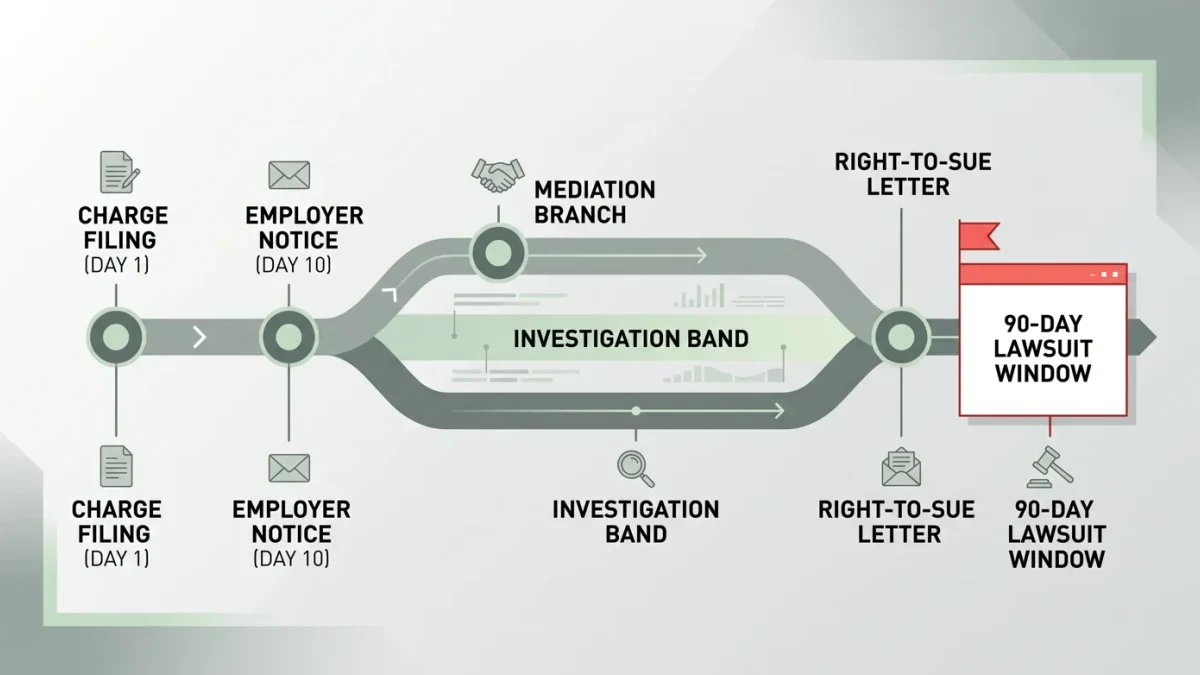
For anyone weighing a complaint, the mechanics still start at the same place: a charge filed with the EEOC within the deadline — generally 180 or 300 days depending on the state. Documentation matters more when agency priorities narrow: contemporaneous notes, saved messages, witnesses. State fair-employment agencies in many states enforce protections that run alongside federal law, and several states' own statutes expressly cover sexual orientation and gender identity.
What comes next?
Watch for replacement guidance and for how charge-processing statistics shift through fiscal 2026. Litigants have already tested agency guidance changes in court before; the durability of Bostock itself is a separate question the current Supreme Court has not revisited, per CRS tracking.