
Careers News
Women who rebuilt their cities: the documented record behind community leadership
Five portraits from the public record show the same pattern: ownership, persistence, and work that outlasted the news cycle.
Careers News reports developments affecting working conditions: hiring and redundancy announcements by sector, employment case rulings, pay transparency legislation, parental leave reform and return-to-office policy shifts. Each item states who is affected and from when. For readers whose next decision depends on current rules.
Careers News coverage from Heroines.
Five portraits from the public record show the same pattern: ownership, persistence, and work that outlasted the news cycle.

A new framework launched in May 2026 gets its global rollout session this week. Turning four capacities into funded, staffed clinics is the test the agenda cannot answer.

A growing number of states force employers to disclose a salary range before you apply. Here is what the range actually promises, and what it doesn't.
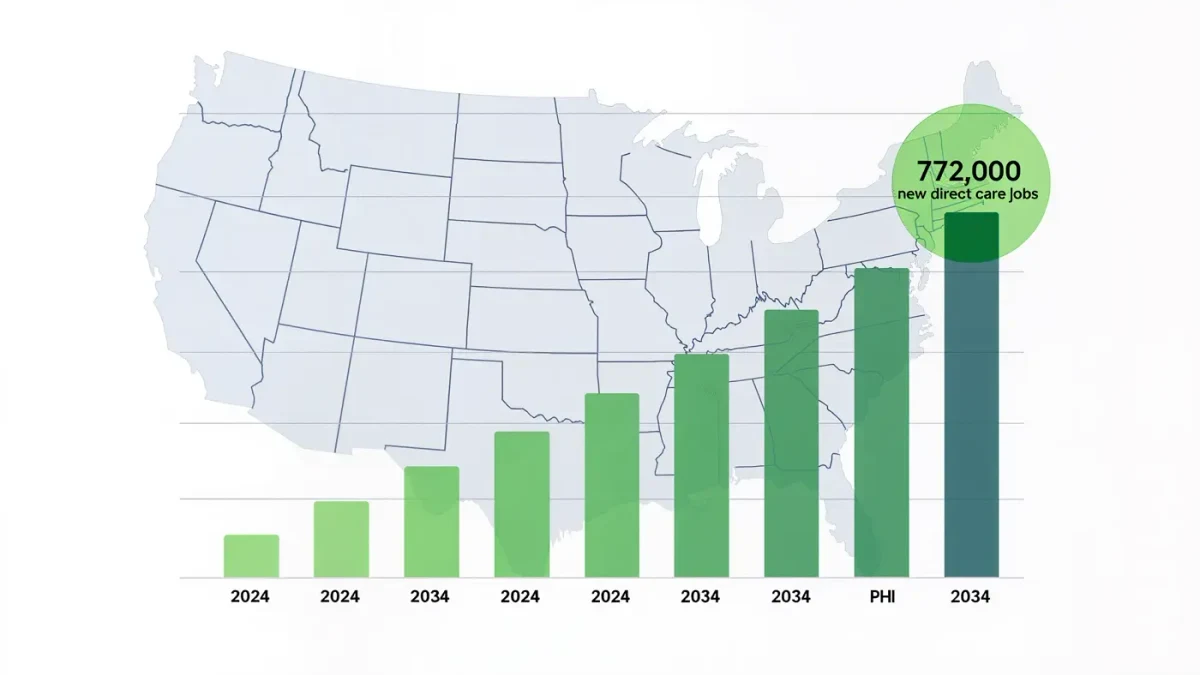
Federal projections show home health and personal care aides adding more jobs than any other occupation through 2034 — work performed overwhelmingly by women at low wages.
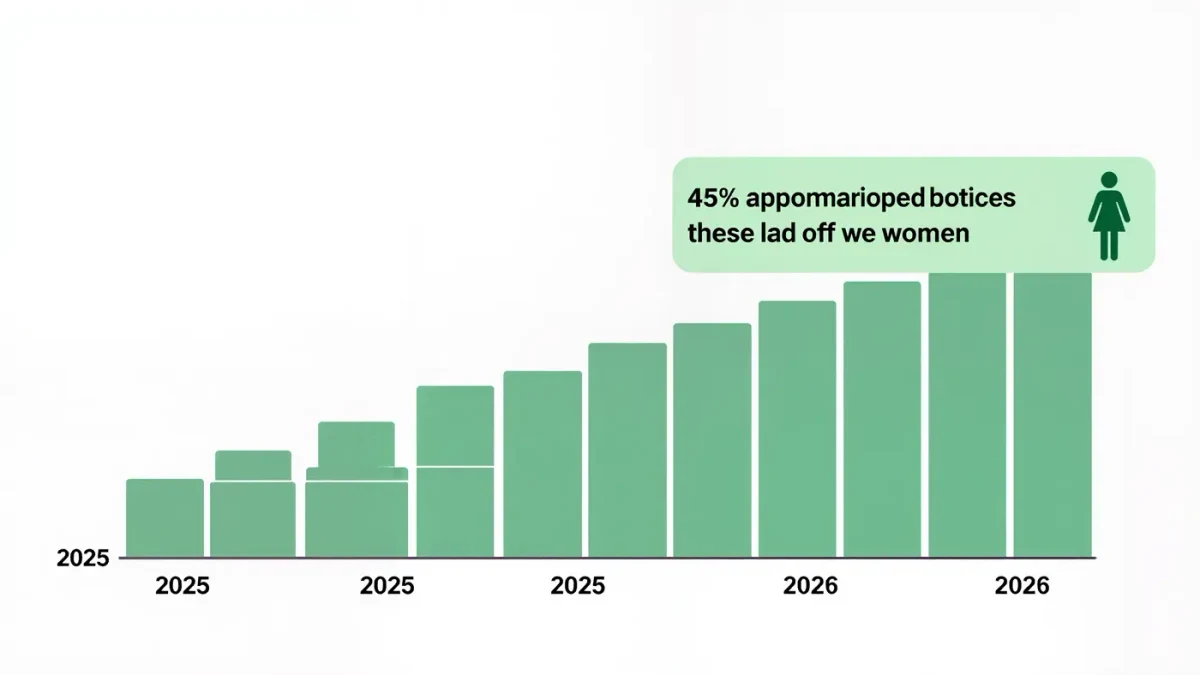
Tech layoffs topped 139,000 in the first half of 2026, and women — about a quarter of the tech workforce — made up close to half of those cut.

A January 2026 LendingTree analysis found care for two children beats rent in 85 of the 100 largest US metros, one more sign that childcare prices are reshaping work decisions.