The current edition
Community News and People
Community covers the groups people credit when things improve: mentoring circles, professional networks, industry associations and neighborhood organizations. Each piece explains what a group does, who it serves and how to join. Written for readers seeking practical support rather than another panel discussion about support.
Community coverage from Heroines.
Community
Peer support groups close part of the sponsorship gap for women, data shows
Entry-level women are sponsored at lower rates than men, and Lean In's own data on peer circles shows a real but unverified association with faster promotions and raises.
By Monica CummingsAugust 16, 2026
Community
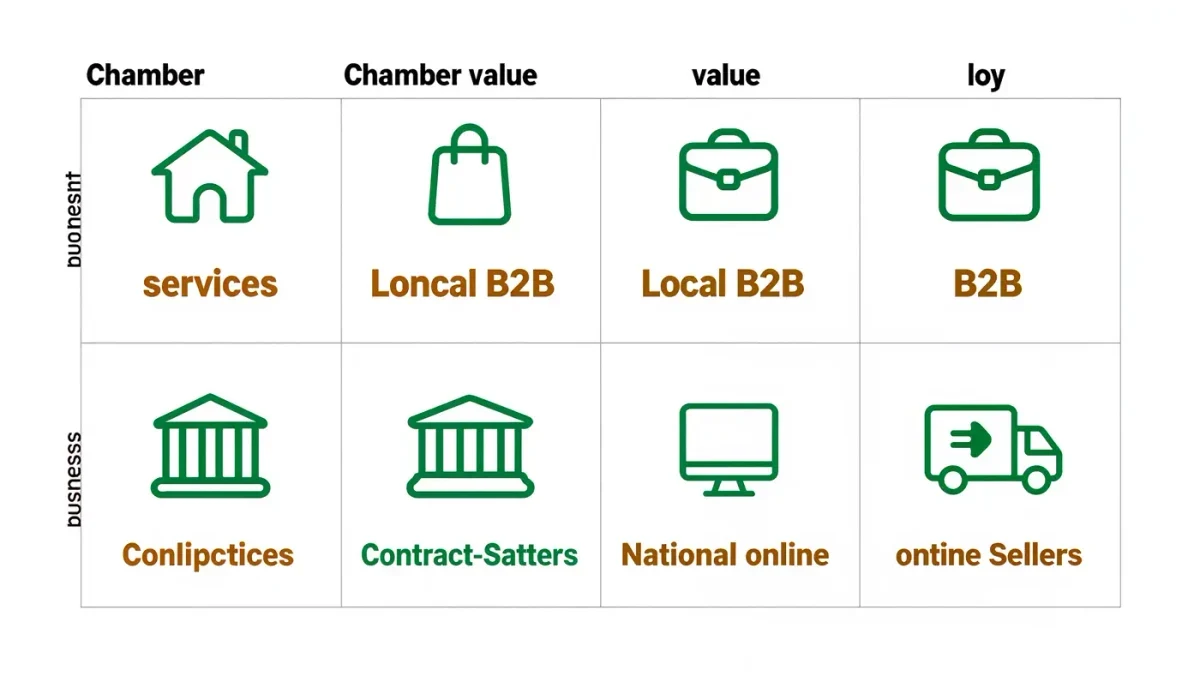
Local chambers of commerce and what they do for women owners
A chamber membership is a bet on local referral flow and government visibility, and it pays unevenly, depending on the business's customers and the chamber's actual activity.
By Monica CummingsAugust 10, 2026
Community
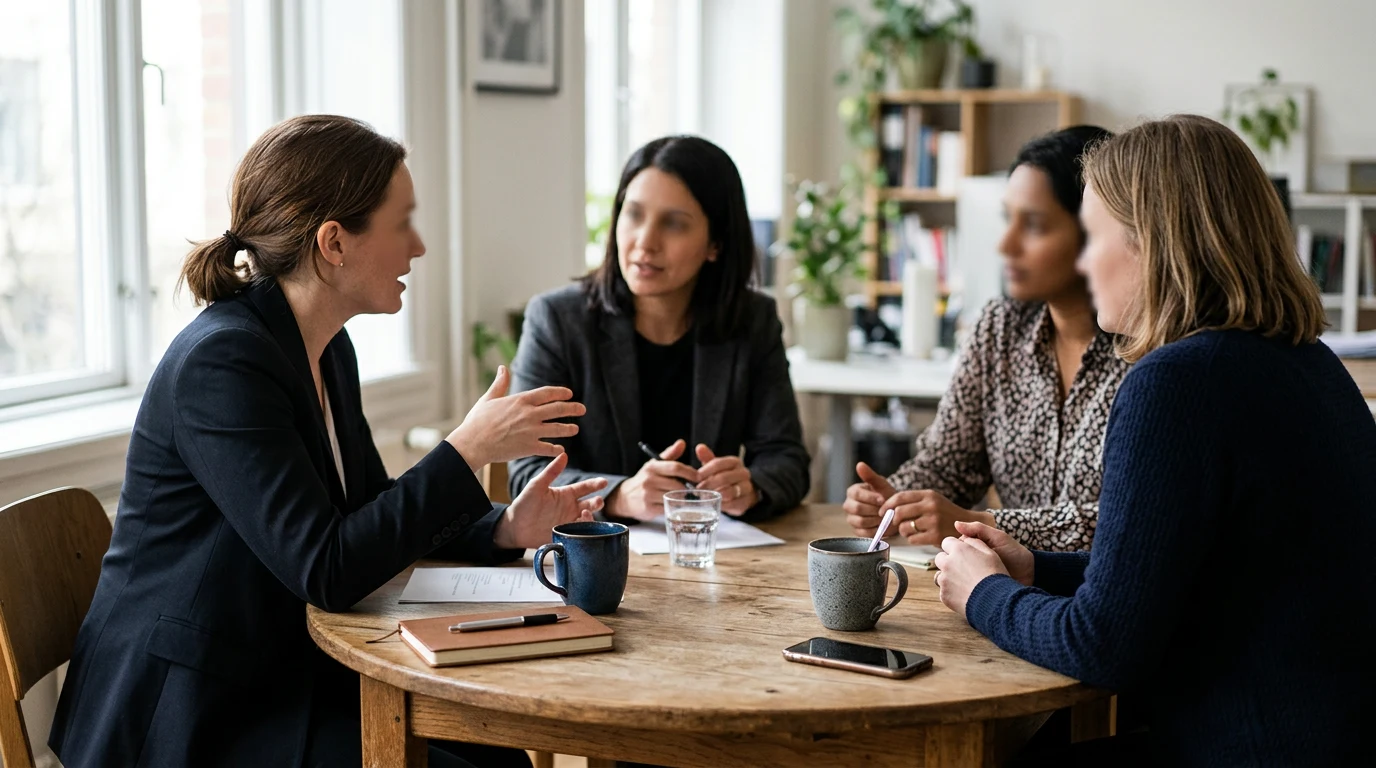
Starting a peer accountability group at work or beyond it
A five-to-eight person group with a fixed cadence and one rule, commitments read aloud, is the cheapest career infrastructure a woman can build, and it costs one hour a month.
By Devon ClarkeJuly 18, 2026
Community
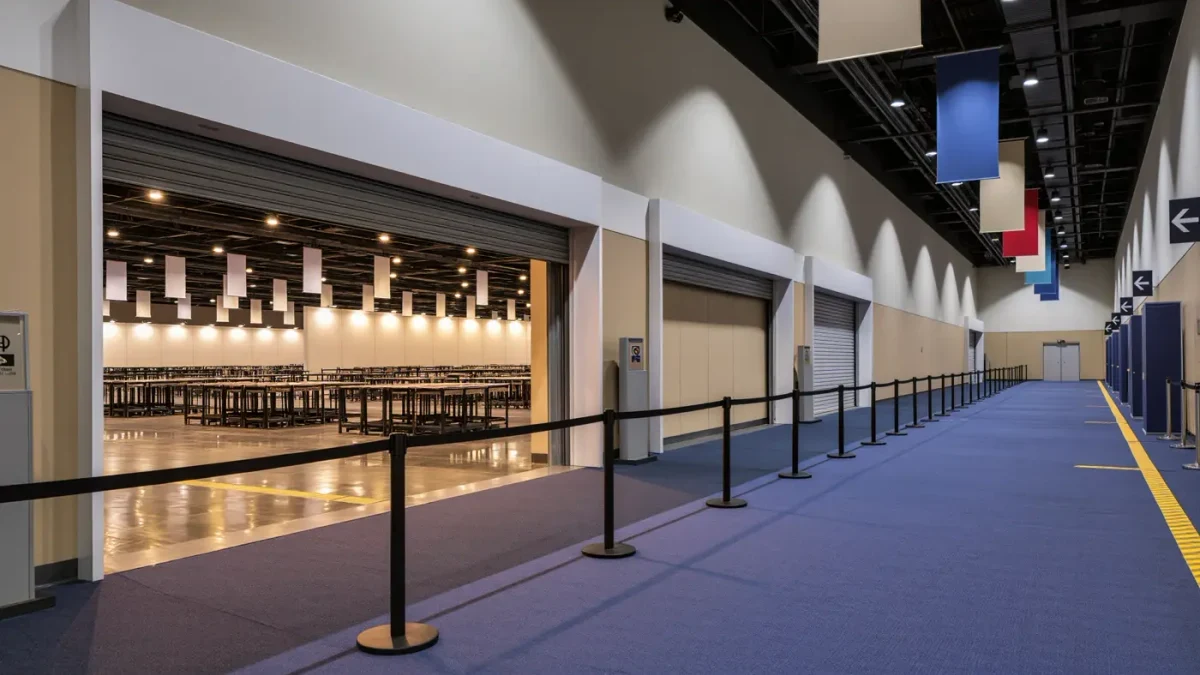
Women-focused industry conferences worth the ticket
A conference ticket can run from free to four figures all-in; the return depends less on the keynote list than on who attends and what gets asked of them.
By Monica CummingsJune 26, 2026
Community
Volunteering that actually builds career skills
Most volunteering builds goodwill; a narrow slice builds demonstrable skills, and the difference is whether the role carries a deliverable, a budget, or a team.
By Monica CummingsJune 3, 2026
Community
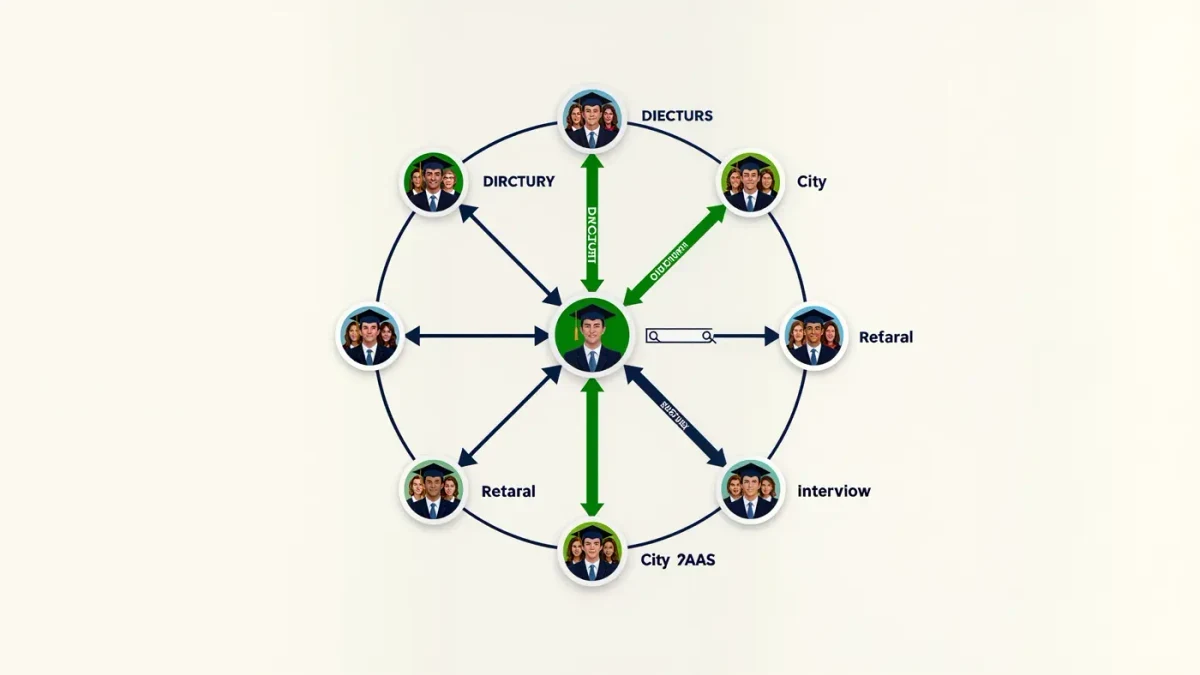
Alumnae networks and their real value in a job search
A university alumni directory is one of the few cold-outreach channels where the reply rate is structurally higher, because the shared affiliation does the first line of work.
By Monica CummingsMay 11, 2026