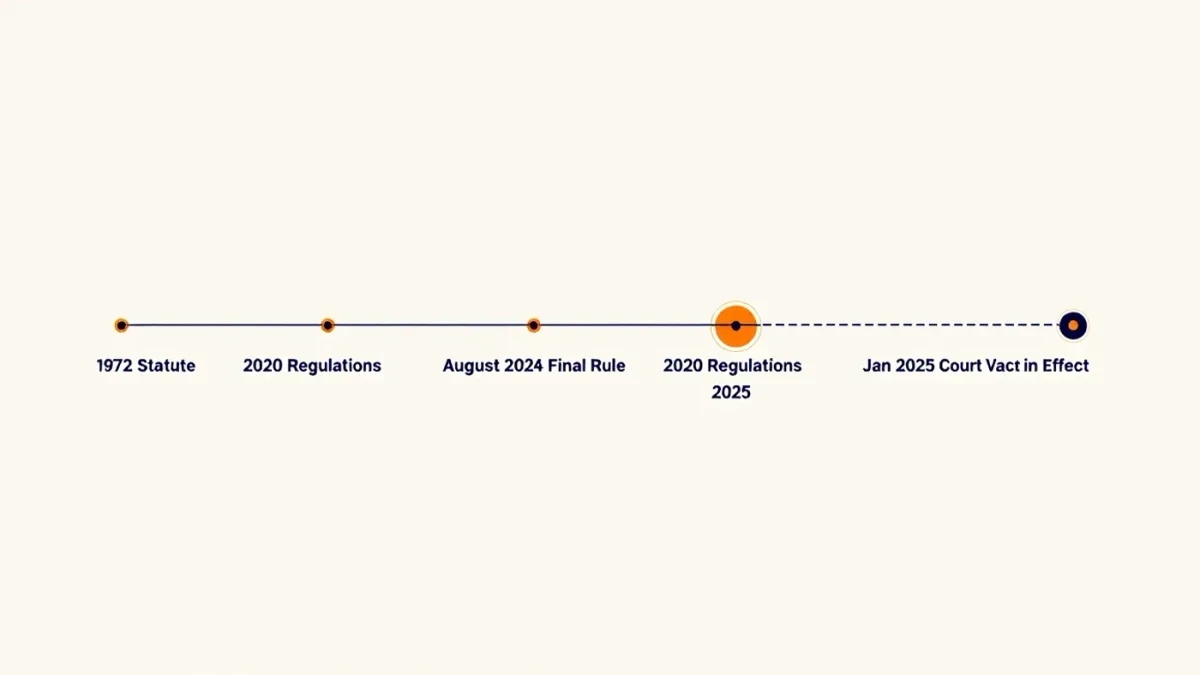
Title IX is being enforced under the 2020 regulations in 2026, after a federal district court vacated the Biden administration's 2024 rule nationwide in January 2025 in the litigation brought by Tennessee and other states. The U.S. Department of Education confirmed it would apply the 2020 framework. For students and staff on campuses, the practical stakes cover how harassment and discrimination complaints are investigated and adjudicated.
Heroines publishes information, not legal advice; readers with pending cases should consult counsel.
What did the January 2025 ruling change?
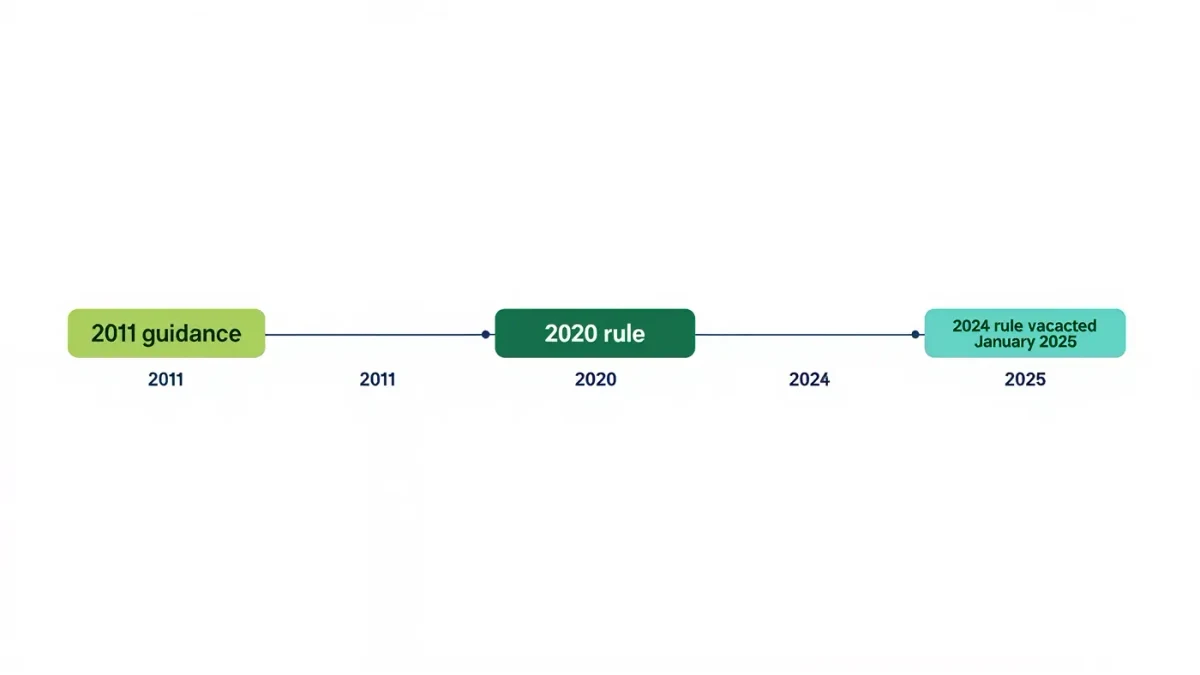
The court's order in the Tennessee-led challenge set aside the 2024 regulations across the country rather than in a single state, holding that the rule exceeded the department's authority — including its reliance on Bostock, the 2020 Supreme Court employment case, to reinterpret sex under Title IX. The department then confirmed enforcement of the 2020 rule, which itself replaced the 2011 guidance-era framework. The Congressional Research Service tracks the regulatory status, which has now shifted three times in under a decade, in its current report.
Which Title IX questions are still open in 2026?
Several, and they are moving toward the Supreme Court. United States v. Skrmetti, argued in November 2025, tests state limits on gender-affirming care for minors, with expected spillover into how Title IX treats sex-based classifications. A separate pending case asks whether Title IX's protections extend to employees of schools and colleges, an issue that shapes how workplace complaints inside education are handled. Per CRS, the 2020 regulations remain the operative rule while these questions are resolved.
- In force: the 2020 Title IX regulations, including their definition of hostile environment harassment and live-hearing requirements for college cases.
- Vacated: the 2024 regulations, nationwide, since January 2025.
- Pending: Supreme Court decisions expected to clarify sex-based classifications and employee coverage.
Why does this matter for women on campus and at work?
Title IX is the main federal lever for sex discrimination complaints in education, including sexual harassment and athletic equity. Each rewrite of the rules changes who must be accommodated, how fast cases move, and what process applies. For women building careers in higher education — faculty, staff, athletes — the operative rule determines the complaint machinery available to them. The 2020 framework's cross-examination requirements, for example, differ sharply from the 2024 rule's procedures that never took effect in most states.
What should readers watch next?
The Supreme Court's decision in Skrmetti, expected by mid-2026, will likely frame the next round of Title IX rulemaking regardless of which party controls the department. Watch also for resolution-agreement changes: the department has signaled it will revisit agreements negotiated under the vacated rule. Schools, per CRS guidance, are advised to keep both complaint tracks documented.