The National Women's Soccer League's players' association filed a grievance on January 14, 2026, per the Associated Press, challenging the league's new High Impact Player rule — a mechanism that lets clubs spend up to $1 million above the salary cap on designated elite players starting July 1, 2026. The union argues the rule violates the collective bargaining agreement and federal labor law. The dispute is the league's first big pay fight since its landmark 2024 agreement, and it tests who the money raises are actually for.
Heroines publishes information, not legal advice.
What is the High Impact Player rule?
Announced by the league as a way to sign globally elite talent, the rule lets each club exceed the team salary cap by up to $1 million for a small number of qualifying players, effective July 1, 2026. Press coverage nicknamed it the Rodman rule after Washington Spirit forward Trinity Rodman, the caliber of player it was designed to accommodate. Per AP, the players' association contends the league imposed it unilaterally and that it breaches the CBA's salary-cap architecture.
What does the CBA say about pay?
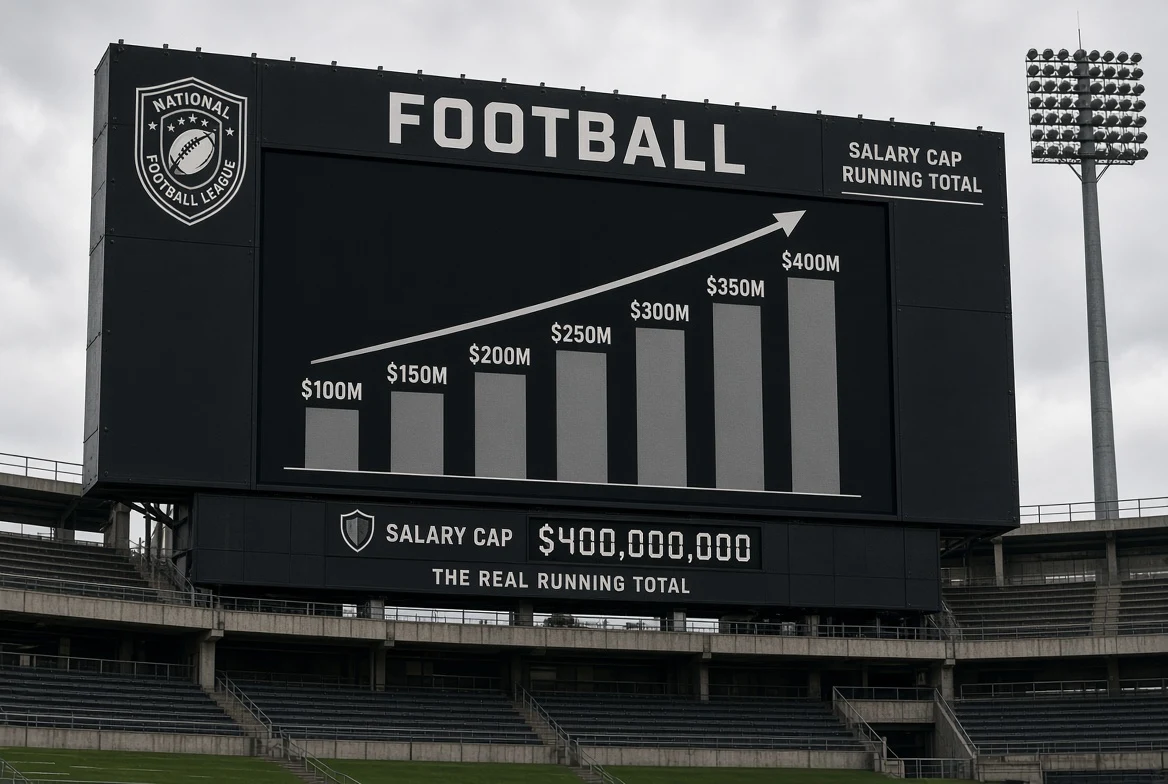
The August 22, 2024 agreement between the league and the NWSL Players Association runs through the 2030 season. It nearly doubles the base salary cap from $3.3 million in 2025 to $5.1 million in 2030, sets the 2026 minimum salary at $50,500 — up from $35,000 under the first CBA — and adds revenue sharing tied to league media and commercial income. The grievance's core claim is that a discretionary top-tier exception reshapes that structure without negotiation.
- 2026 minimum salary: $50,500 per the CBA.
- Cap trajectory: $3.3 million (2025) rising to $5.1 million (2030), plus revenue sharing.
- In dispute: the $1 million High Impact exemption clubs may add from July 2026.
Why does this matter beyond soccer?
Women's soccer is the clearest natural experiment in what equal-pay settlements produce. The U.S. Soccer CBAs of 2022 equalized World Cup prize pooling and split ticket revenue between the women's and men's national teams. The NWSL's question is different: not equal pay across sexes, but equal distribution among women as league revenue grows. If exemptions concentrate raises in a handful of stars while the rank-and-file cap rises on schedule, the median player's share shrinks relative to league income — the pattern the union's January 2026 filing is built to stop.
What happens next?
Grievance arbitration under the CBA comes first, with the rule scheduled to take effect July 1, 2026 while the challenge proceeds. The league has defended the mechanism as compliant with the agreement. Whatever the arbitrator decides, the revenue-sharing formula in the CBA gives players a second lever: as league income rises, the negotiated share rises with it.