Women managers run hybrid teams without burning out by fixing three things structurally: where decisions get made, how visibility is distributed between office and remote days, and how much uncompensated support work the manager absorbs. The problem is measurable. Women managers were more likely than men managers to spend time and energy on employee support, from workload check-ins to helping navigate workplace challenges, according to the McKinsey and LeanIn.Org Women in the Workplace 2024 report, which surveyed organizations employing more than ten million people. Hybrid coordination adds meetings to exactly that load.
This guide sets out management practices the evidence and experienced managers support. It is general information, not medical or mental-health advice; sustained exhaustion deserves a professional's attention.
What makes hybrid management heavier than it looks?
Coordination stopped being ambient. When everyone sat together, alignment happened in the room; in a hybrid team, alignment is scheduled, which means it becomes the manager's calendar. The failure pattern is quiet: the manager becomes the translation layer between every pair of people, the one who knows what the remote half thinks and what the office half decided in the hallway after the call.
For women managers the load compounds. The Women in the Workplace series has repeatedly found women managers doing more emotional support and more of the glue work, note-taking, scheduling, follow-up, than men managers, and hybrid teams generate more of all three. The output can look fine for a year while the manager's calendar fills with 30-minute favors.
How should the week be structured?
Anchor days and written decisions. A stable pattern beats a free-for-all: the same days in the office for everyone on the team, so the expensive commute buys actual collaboration rather than a Zoom call from a desk. The core set:
- Fixed anchor days for the whole team, chosen for joint work, with exceptions managed rather than abolished.
- One decision log, a shared document where every decision, owner, and deadline is written within a day of being made.
- Async-first defaults: status in writing before meetings, meetings reserved for decisions and disputes.
- A meeting audit each quarter: any recurring meeting without a decision output gets shortened or deleted.
The decision log does the quiet work. It ends the hallway-meeting problem, because anything decided informally still has to be written down to count, and it gives remote team members the same record the office had on the whiteboard.
How does a manager keep remote work visible?
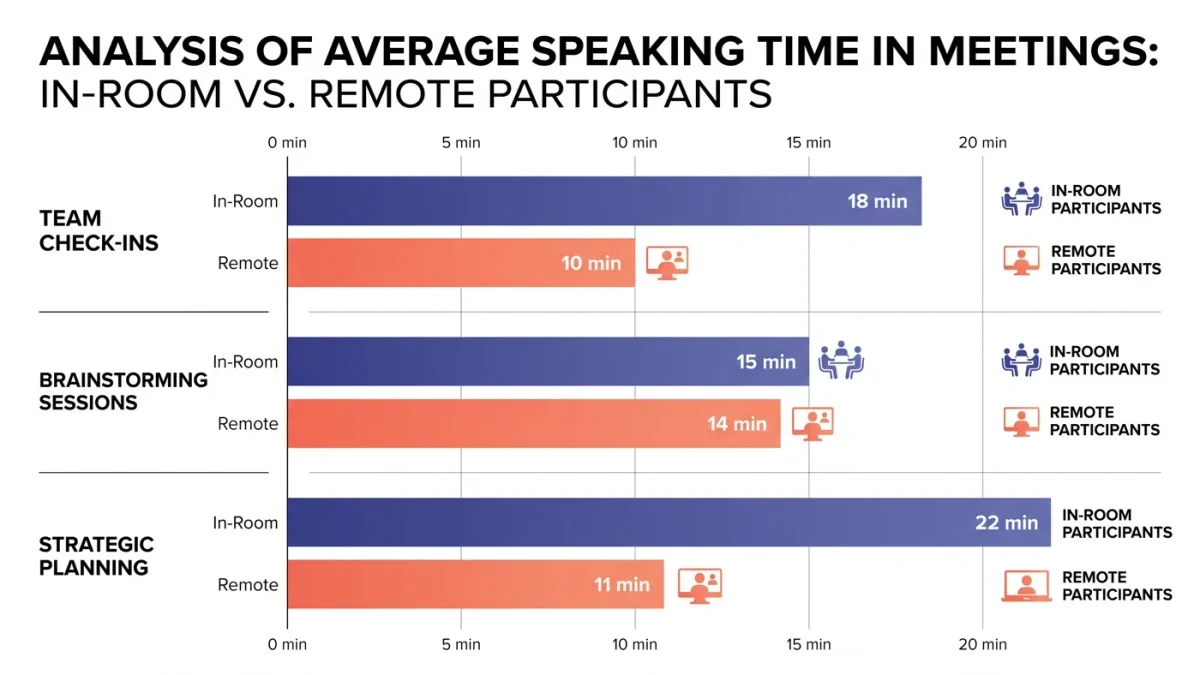
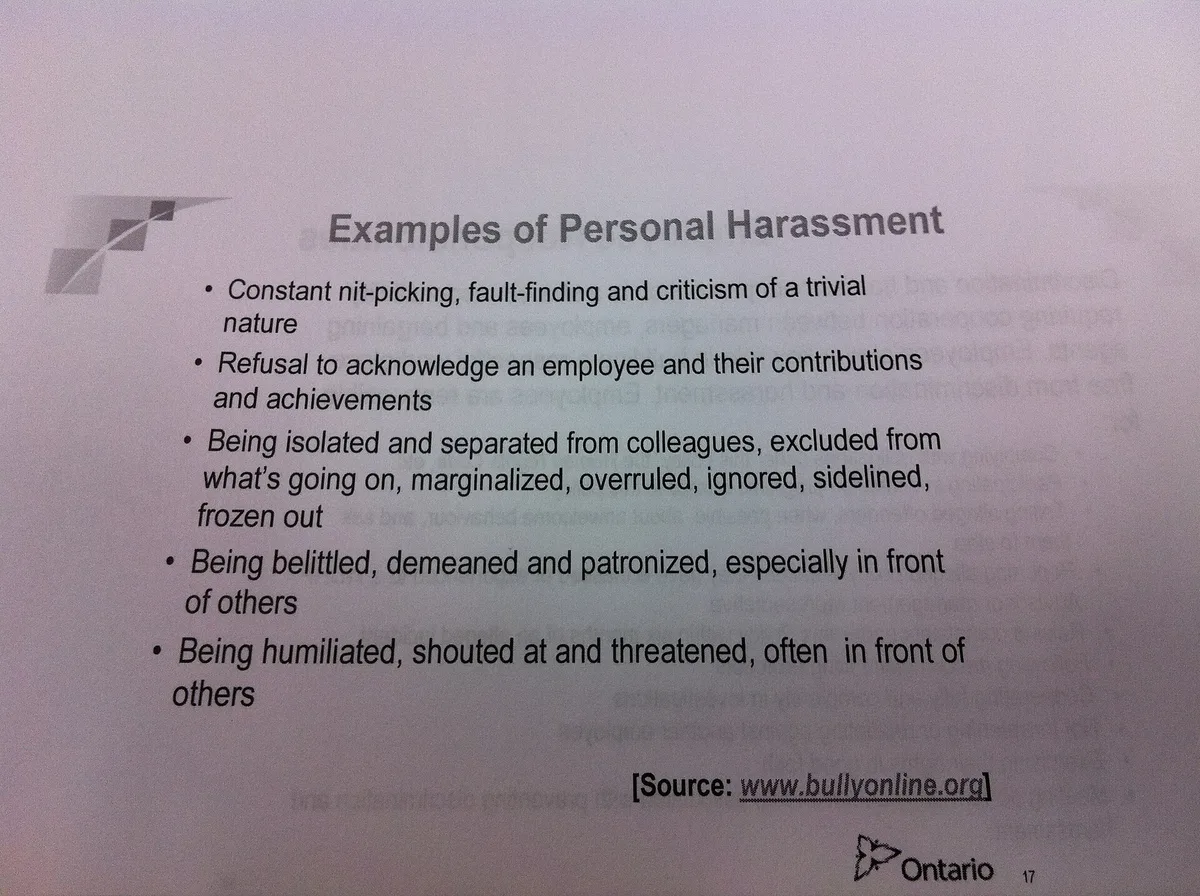
By allocating work and credit in writing. Proximity bias is the documented risk of hybrid arrangements: people physically present get more attention, informal influence, and, in the research on remote work, better promotion odds, a concern raised in reporting on return-to-office policies by outlets including Bloomberg through 2024 and 2025. The countermeasures are mechanical. Assign stretch work in a tracked system rather than in conversation. Run one-on-ones on the same medium for everyone, video, so remote reports are not the only faces on a screen. In promotion season, read the record rather than the recall.
Women managers who manage this well describe a specific habit: keeping a written accomplishments list per report, updated monthly, which takes fifteen minutes and neutralizes the visibility gap at review time for remote and part-time staff alike.
How does the manager protect her own calendar?
By treating support work as budgeted, not infinite. Three boundaries hold up in practice. Support conversations happen in scheduled one-on-ones, not in always-open chat channels; the open channel teaches urgency without teaching solutions. Office days are for the team's collaboration, not for the manager's focused work, which happens remotely where interruptions are cheaper. And the manager's own boss gets a quarterly read on the support load, with numbers, so the invisible work is at least visible upward.
The Women in the Workplace 2024 findings cut both ways here: companies that trained managers and set team norms saw better retention and inclusion outcomes. The manager's own sustainability is a legitimate management problem, not a private weakness to be hidden.
What burnout signals should trigger a change?
The pattern worth acting on is cumulative: work hours creeping past the job's real scope, recovery that stops happening on weekends, cynicism about the work itself, and a manager who has stopped taking full days off. The Women in the Workplace series has tracked lower well-being among women, and among women leaders specifically, across successive reports. The structural response, cut meetings, delegate the glue work, renegotiate scope with the boss, works better when started early; the personal response, rest alone, does not redistribute anything.
| Risk in hybrid teams | Structural fix |
|---|---|
| Proximity bias in assignments | Written work allocation and a monthly accomplishments list per report |
| Hallway decisions | Decision log; unwritten decisions do not count |
| Meeting sprawl | Quarterly audit; no decision output, no meeting |
| Invisible support load | Budgeted check-ins; quarterly numbers to the boss |
What should be in place within a quarter?
Anchor days published, decision log running, one-on-ones on a uniform medium, one delegated recurring task, and one conversation with the manager's own boss about scope. That set is small enough to survive a busy quarter and large enough to move the two things that matter: the team's decisions becoming location-neutral, and the manager's week becoming survivable. Hybrid is not a solved problem for anyone; it is a schedulable one.