The world has closed 68.8 percent of its gender gap, and at the current rate full parity is 123 years away, per the World Economic Forum's Global Gender Gap Report 2025, released June 11, 2025 — the edition that remains current as of May 2026. The index benchmarks 148 economies. For working women, the report's value is less the headline date than the breakdown: economic participation lags badly behind education and health, which is where careers stall.
What did the 2025 index actually find?
Iceland ranked first for the 16th consecutive year, having closed 92.6 percent of its gap, per the report's published findings. No economy reached full parity. Only ten countries have closed 80 percent or more, and the 68.8 percent global score — the strongest annual advance since the pandemic — still leaves economic participation and political empowerment as the two lagging pillars. The parity estimate improved by roughly a decade compared with the prior edition, mostly on revised political-participation data.
Where do the big economies sit?
The Group of Seven spreads wide. Japan ranked 118th of 148 — the lowest in the G7 — a figure cited by Reuters on October 4, 2025 in its coverage of Japan's cabinet gender debate, when incoming Prime Minister Sana Takaichi vowed to raise women's share of cabinet posts to Nordic levels. The United States has historically clustered in the middle of the pack on the index, strongest on educational attainment, weakest on political empowerment. The report does not rank companies, only economies.
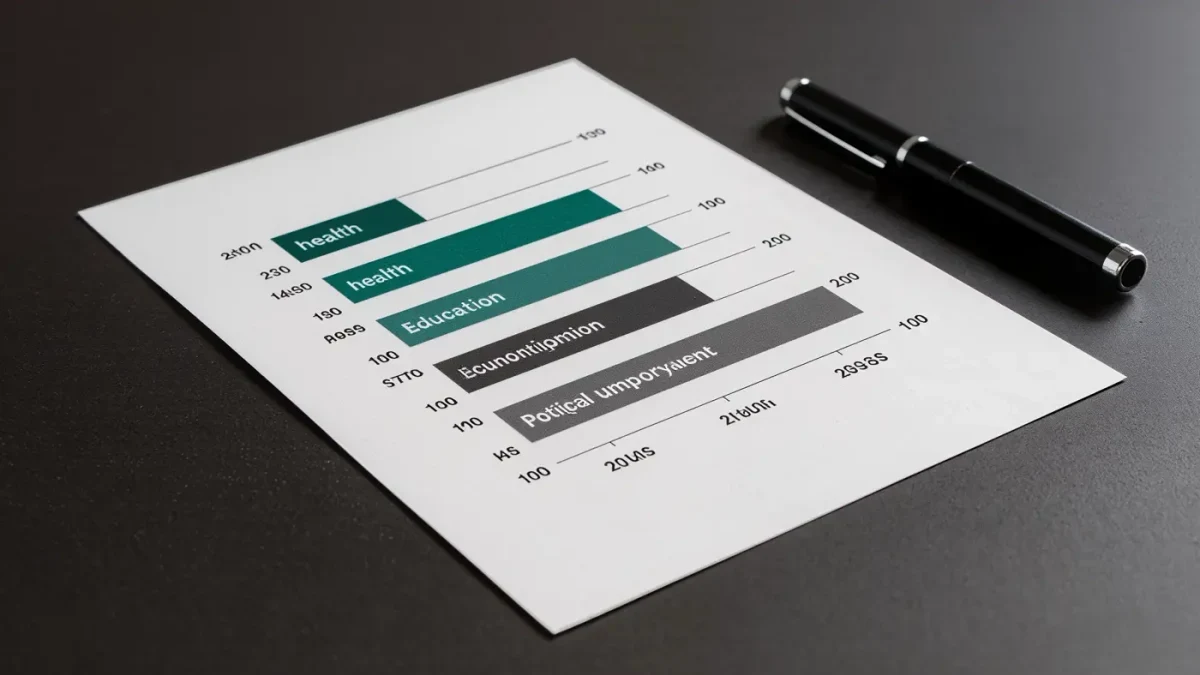
| Index pillar | Global status per the 2025 report |
|---|---|
| Health and survival | Closest to parity of the four pillars |
| Educational attainment | Near parity in most measured economies |
| Economic participation | Lagging; widest gaps in income and senior roles |
| Political empowerment | Largest remaining gap worldwide |
Why does the 123-year figure matter?
It converts a percentage into a working lifetime — and a reminder that no reader now in the workforce sees global parity in her career. The number is also sensitive to measurement: it moves by years when political-representation data is revised, which is why the estimate has swung between 131 and 123 years across recent editions. The stable finding underneath is the pillar order: everywhere, education closes first and economic power closes last.
What should readers expect from the 2026 edition?
The WEF publishes the report each June, so the 2026 edition was not yet available as of this article's date. Watch two things when it lands: whether the economic-participation score holds the post-pandemic recovery, and whether political empowerment, after a year of major elections worldwide, moves the parity clock again.