Franchising lets a woman buy a working business model instead of inventing one, and the option is far from niche: women owned about one in five U.S. employer firms, per the Census Bureau's Annual Business Survey, and franchised units give those owners a structured route with training, a brand and SBA-friendly financing. The trade is control and royalties — a franchisee runs someone else's system, on someone else's terms.
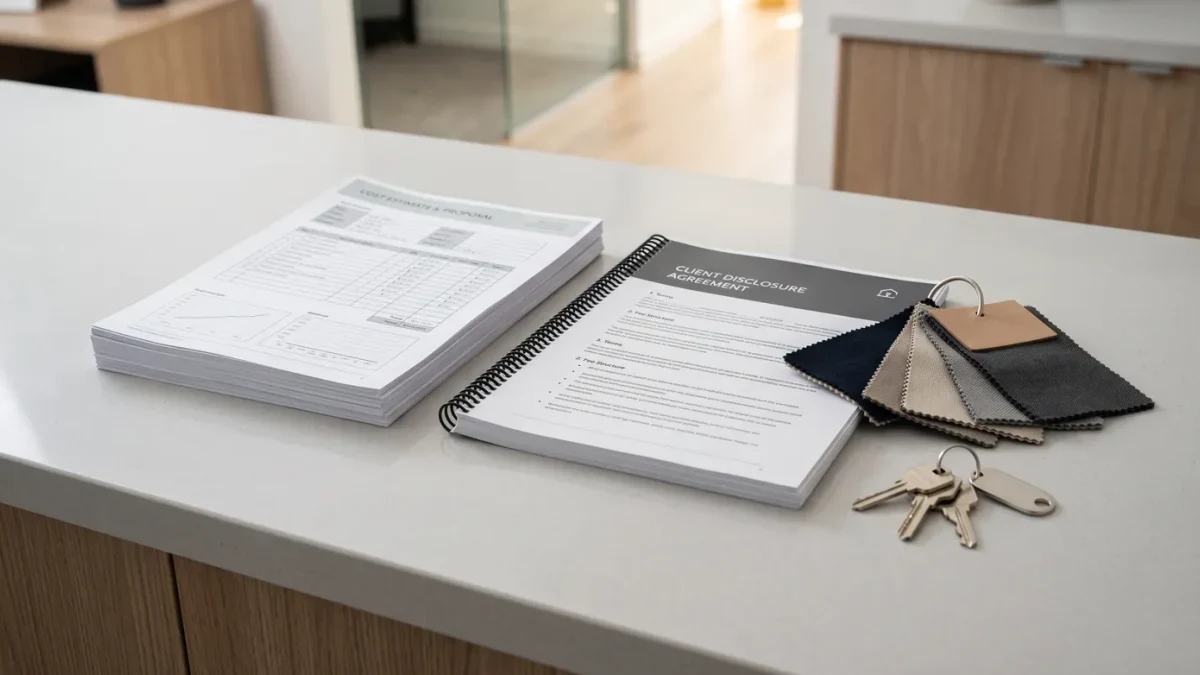
Franchise disclosure documents run long for a reason, and reviewing one with an accountant and a franchise lawyer is standard practice before signing anything.
What does a franchise actually buy?
The franchise fee — commonly tens of thousands of dollars — buys a license to operate under a brand, plus the operating manual, initial training, site-selection help and marketing systems. The owner then pays ongoing royalties, often 4 to 8 percent of revenue, plus usually a marketing contribution.
What it does not buy is autonomy over product, pricing or territory. Owners who want to redesign the menu or rename the shop have chosen the wrong vehicle. Owners who want a proven demand curve and a phone number to call when the walk-in freezer dies have chosen the right one.
How does a woman evaluate a franchise brand?
The Franchise Disclosure Document, which U.S. law requires franchisors to give candidates before signing, is the primary evidence. Four sections carry the most weight.
- Item 19: financial performance representations — how existing units actually perform, where the franchisor discloses it.
- Item 20: unit counts, openings, closures and transfers; high churn is a warning.
- Fee schedule: every recurring cost, not just the entry fee.
- Current franchisees: the document lists them; calling a dozen, including struggling ones, is the single best diligence step.
What makes franchising financially reachable?
Lenders like collateralized predictability, and franchises supply it. SBA-backed loans are heavily used in franchising, and the SBA's loan programs describe how banks lend against a franchise system's track record. Some brands are pre-approved in the SBA's franchise directory, which shortens underwriting. The result: a first-time owner can finance a large share of the total investment — typically ranging from under $100,000 for home-based service brands to $500,000 or more for food and fitness — rather than funding it from savings.
Several franchisors and associations also run incentive programs that discount fees for women, veterans or minorities. A discount is a nice entry, not a reason to buy; the unit economics still have to work.
Which sectors suit first-time women owners?
No sector is gendered, but costs and schedules differ sharply, and those differences shape the decision.
| Sector | Typical investment | Owner profile it fits |
|---|---|---|
| Home services (cleaning, restoration) | Lower | First-time owner, wants low overhead |
| Senior care and staffing | Low to mid | Operations-minded, sales-driven |
| Fitness and studios | Mid | Community builder, present daily |
| Food and beverage | High | Experienced or well-capitalized owner |
Home-based and mobile brands let many owners start while employed elsewhere, which lowers the personal risk of the switch.
What do successful women franchisees do differently?
Interviews and franchisor case studies point to three habits: they validate the numbers themselves rather than trusting the sales pitch, speaking to unit owners in similar markets; they read the territory clause carefully, because a second unit three blocks away can halve revenue; and they staff the manager role early, buying back the owner's time instead of becoming the business's hardest-working employee.
A franchise is a bought playbook, not a bought outcome. The system covers the model; the owner still covers the execution.
What is the honest downside?
Royalties continue in thin months, growth requires the franchisor's approval, and resale value depends on the brand's reputation nationally, which no single owner controls. Franchisees also follow corporate decisions — menu changes, technology mandates — they did not choose. For founders whose motivation is building something of their own design, those constraints chafe; for owners who want a system, they are the product.
How does a candidate test drive a brand before buying?
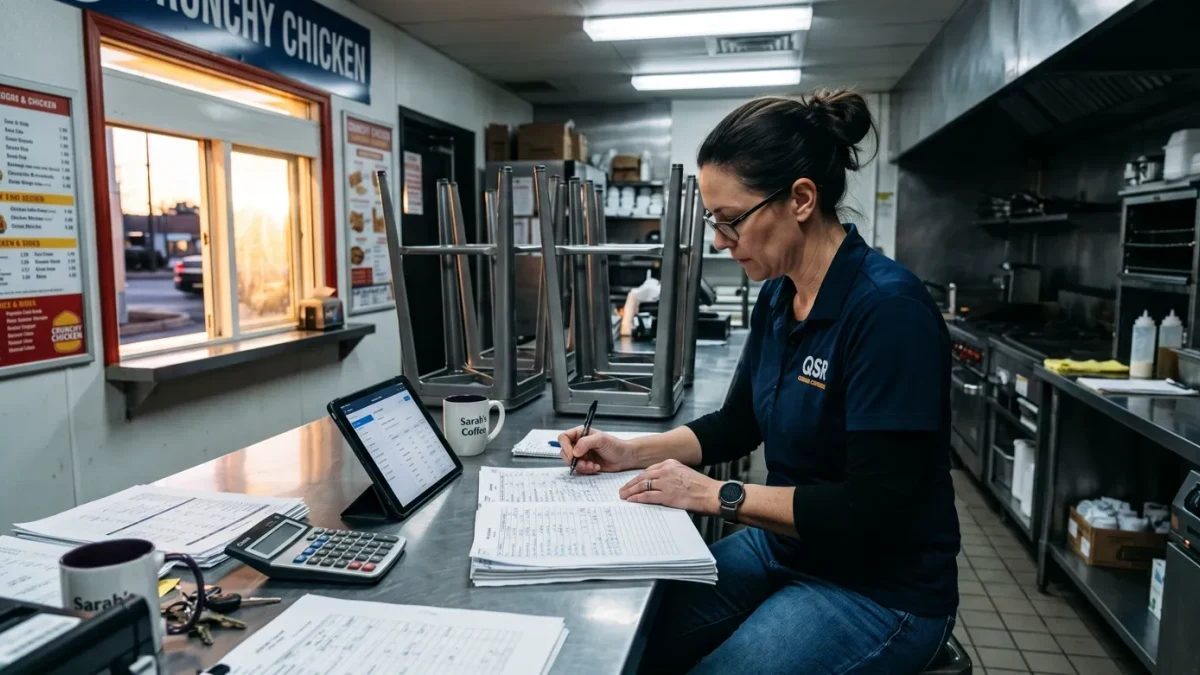
Buyers can verify a system before paying for it, and the strongest candidates do. Work a shift: many franchisors will arrange a discovery day or a store visit where the candidate experiences a full operating day, from opening checklist to close. Shadow a unit: the franchisees listed in Item 20 will sometimes host a serious candidate for a morning, and watching the lunch rush answers questions no brochure addresses. Count cars: an hour outside a comparable location, twice, at peak and off-peak, gives a rough revenue sanity check against the franchisor's claims.
Candidates should also talk to franchisees who left — transfers and closures listed in Item 20 — because exits reveal whether failures trace to the system or to undercapitalized buyers. A brand whose departed owners praise the support but admit they ran out of working capital is telling the candidate exactly what reserve she needs.