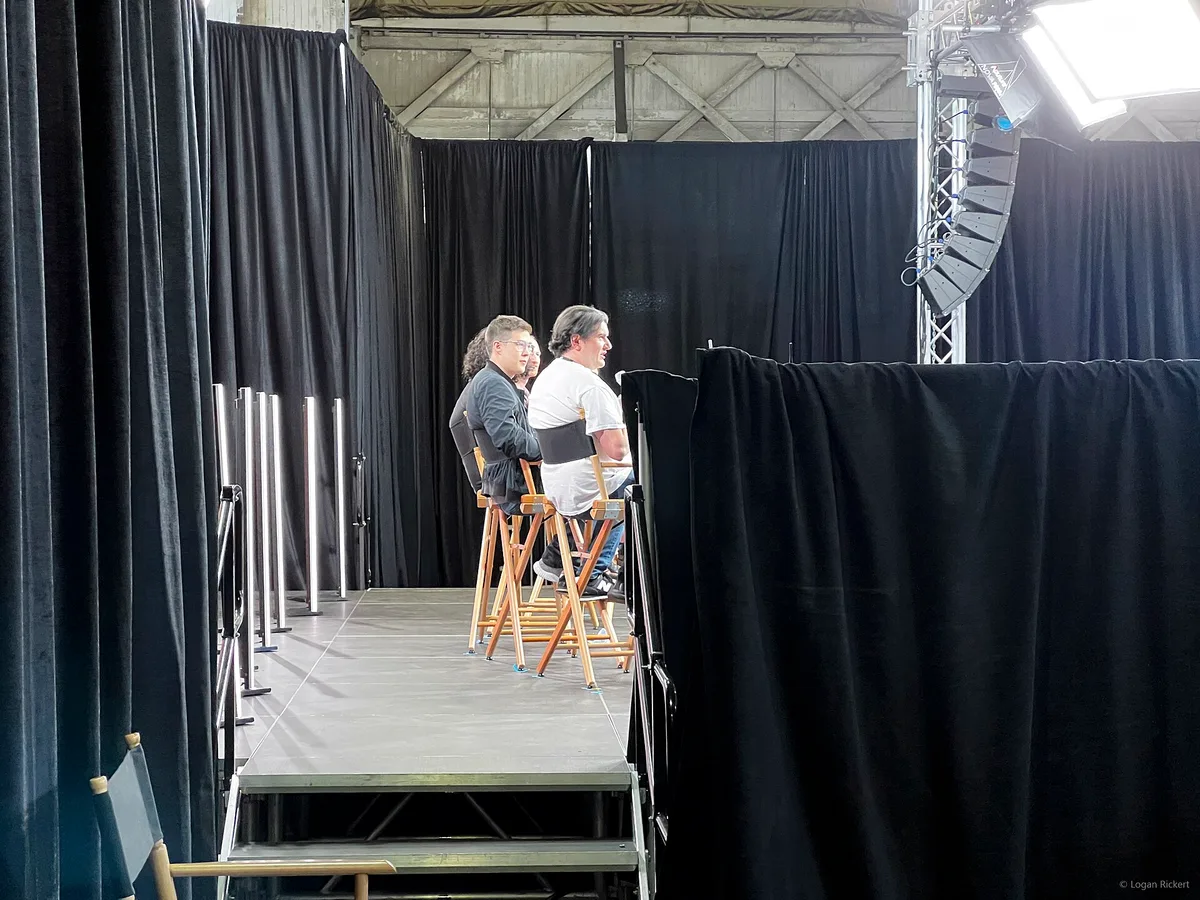
Howard Payne University gathered representatives from more than a dozen area businesses and civic organizations for its annual Community Leadership Lunch and Learn on Tuesday, held in the Bullion Suites of the Mabee Center in Brownwood, Texas. The keynote was Doug Foster, principal and CEO of NovaLex Consulting, an AI- and data-driven strategic advisory firm. The university says the event exists so attendees can connect with each other and learn from an industry leader, per its October 1, 2026 announcement.
For anyone building a career outside a major metro, the format is the story. A university convenes the same room once a year, and attendees say they look forward to returning. That repetition is how local professional networks form in communities where no industry association or chamber event fills the role. The gathering also fits a broader pattern this publication follows in its community coverage: the institutions that show up consistently, not the ones with the biggest budgets, tend to anchor a local leadership scene.
Who was in the room, and why the speaker list matters
Foster's résumé carries the kind of national experience rarely brought to a city of Brownwood's size. He began his career at ad agency J. Walter Thompson, where he rose to senior vice president, then served as 7-Eleven's first chief marketing officer and held other CMO roles before founding NovaLex Consulting, according to the university's announcement. For local leaders, exposure to a speaker who has operated at that scale is the draw; for a university, landing him signals the event is worth a national-level executive's travel. Readers following this should also see The first promotion to manager, not the ceiling, decides who reaches CEO. We covered a connected angle in The first promotion to manager, not the ceiling, decides who reaches CEO.
The attendee list matters just as much. According to Howard Payne University, more than a dozen businesses and civic organizations sent representatives. Two attendees quoted in the university's announcement illustrate the mix: Carter Sharpe of Smith and Sharpe Agencies, and JD Johnson, president and CEO of Citizens National Bank. A bank president and an agency principal in the same room, at the same table, is precisely the cross-sector contact that is hard to arrange cold.
What the quotes reveal about how these events work
The public comments are gratitude, but they are also evidence of function. Johnson called HPU "such an amazing community partner here in Brown County" and said the bank looks forward to the event every year. Sharpe called the lunch "this gift from HPU to our business community" and said Foster "definitely helped me to redirect, focus on the road ahead and embrace change."
Read those together and the mechanism is visible. An annual event with returning attendees becomes a standing appointment — the local equivalent of an industry conference, minus the cost and travel. The university gets its community ties reinforced; the businesses get a recurring room of peers. Neither side could replicate that efficiently on its own, which is why the model persists.
Why a convening role is a real strategy for a small university
Howard Payne, founded in 1889 and a Christ-centered liberal arts university with more than 100 majors, minors and pre-professional programs across six schools, describes itself as focused on community and service. Hosting a leadership lunch is a low-cost way to act on that identity while keeping local employers engaged with the institution that supplies a share of their future hires.
For readers weighing whether to attend similar events in their own towns, the calculus is straightforward. Convenings like this one are where sponsorship happens — where someone with influence watches you operate, not just hears about you. The distinction between that and ordinary advice is one we have covered before in sponsorship versus mentorship and why the difference matters for women. A room you re-enter every year is where that kind of relationship can actually take root, and for women in smaller markets, those rooms are fewer. Showing up in them consistently is a practical decision, not a networking platitude. We covered a connected angle in Sponsorship versus mentorship and why the difference matters for women. Readers following this should also see Sponsorship versus mentorship and why the difference matters for women.
What to watch next
The evidence here covers one event and three quotes; it does not measure outcomes, and no attendee data on who advanced because of the room is available. What the record does establish is durability: this is an annual event, and attendees describe it as a fixture they look forward to every year. The open question for Brownwood's business community is whether the connections formed there convert into hires, board seats and partnerships — the kind of follow-through that never makes a press release but decides whether a lunch actually builds community leadership or just fills one.
For more coverage of how leaders rise and what it costs, see our leadership section, and for the latest moves, our careers news desk.