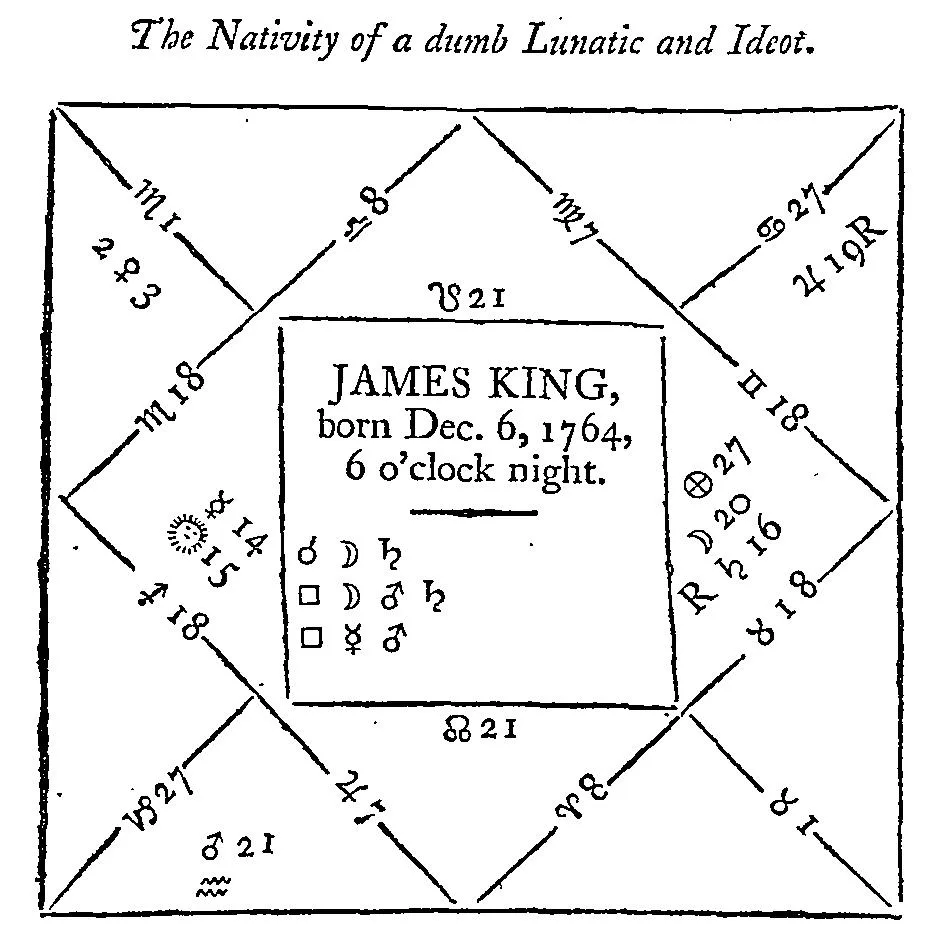
If you have ever wondered which horoscope sign belongs to your birthday, the answer comes down to a simple calendar: twelve signs, each holding roughly a month of dates, repeating every year. The sign the sun occupied when you were born is called your sun sign, and it is the one most horoscope columns — including ours — are written for. What follows is the full list of horoscope signs, their date ranges, their elements, and their ruling planets, written for reading pleasure rather than decision-making.
One honest note before the list: astrology is entertainment and reflection, not evidence. The dates below are the traditional ranges most horoscope publishers use, and they are approximate at the edges — people born on a cusp day, right as one sign hands off to the next, may find both descriptions feel a little true. That is part of the fun. Nothing here should decide a career move, a relationship, or a doctor's visit.
What are the twelve horoscope signs and their dates?
The zodiac year begins with Aries at the spring equinox and ends with Pisces as winter closes. Here are the traditional date ranges, element, and ruling planet for each sign.
| Sign | Dates | Element | Ruling planet |
|---|---|---|---|
| Aries | March 21 – April 19 | Fire | Mars |
| Taurus | April 20 – May 20 | Earth | Venus |
| Gemini | May 21 – June 20 | Air | Mercury |
| Cancer | June 21 – July 22 | Water | Moon |
| Leo | July 23 – August 22 | Fire | Sun |
| Virgo | August 23 – September 22 | Earth | Mercury |
| Libra | September 23 – October 22 | Air | Venus |
| Scorpio | October 23 – November 21 | Water | Pluto (traditionally Mars) |
| Sagittarius | November 22 – December 21 | Fire | Jupiter |
| Capricorn | December 22 – January 19 | Earth | Saturn |
| Aquarius | January 20 – February 18 | Air | Uranus (traditionally Saturn) |
| Pisces | February 19 – March 20 | Water | Neptune (traditionally Jupiter) |
A few signs carry two ruling planets in the list above. That is because modern astrologers assigned the planets discovered after the telescope — Uranus, Neptune, Pluto — to signs that previously shared a ruler with a neighbor. Traditional astrologers often stick with the older pairings. Both systems appear in published horoscopes, which is why you may see Scorpio described as ruled by Mars one week and Pluto the next.
What do the four elements mean?
Each sign belongs to one of four elements, and the element is the fastest way to get a feel for a sign's temperament in the symbolic language of astrology.
- Fire — Aries, Leo, Sagittarius. Traditionally linked with energy, initiative, and enthusiasm.
- Earth — Taurus, Virgo, Capricorn. Traditionally linked with practicality, patience, and attention to the material world.
- Air — Gemini, Libra, Aquarius. Traditionally linked with ideas, conversation, and perspective.
- Water — Cancer, Scorpio, Pisces. Traditionally linked with feeling, intuition, and memory.
The elements also group into three fire, three earth, three air, and three water signs, which is why people sometimes notice that friends born in the same season share a certain flavor. In astrology's own terms, signs of the same element are said to understand each other easily. Treat that as a conversation starter, not a compatibility verdict.
Why do the dates matter for your horoscope?
Most daily and weekly horoscopes are written sun-sign by sun-sign. When a column says the moon is in Libra and things feel sociable, it is describing how that sky moment is said to land differently for each of the twelve signs. Knowing your sign's dates simply tells you which paragraph is yours.
You can see the rhythm in any major horoscope publisher's daily edition. HuffPost's horoscope section, for instance, currently greets readers with "It's Libra season" — a reminder that the sun's sign, not the moon's, is what marks the seasonal shift the date ranges track. Daily columns like those at Astrology.com then layer the moon and faster-moving planets on top of each sign's baseline character, which is why the tone of your sign's forecast can change from one day to the next even though your birthday has not moved.
What is a cusp, and does it change your sign?
A cusp is the boundary between two signs. If your birthday falls on one of the transition days in the table — say, April 19 or April 20 — the sun was switching signs around the time you were born, and the exact moment depends on the year and your time zone.
Popular astrology loves the idea of being "born on the cusp," a blend of two signs. The stricter astrological answer is that the sun is in one sign or the other at any given instant; there is no half-and-half. But for a casual reader checking a horoscope column, the practical version is simple: if the range in the table does not quite fit how a sign description lands for you, peek at the neighboring sign's dates and read both. No harm done, and no chart required.
How can you use your sign's dates without taking them too seriously?
The best use of a date table like this one is as a prompt for reflection, and that is how we approach it here. A few gentle ways in:
- Find your season. Note the month your sign rules, and treat it as a natural moment to check in with yourself — what you want more of, what you are ready to set down.
- Read the whole column, not just your paragraph. The sign descriptions of people you love often say something useful about how they move through the world, or at least how they like to be understood.
- Let the planets be metaphors. Mercury for how you communicate, Venus for what you value, Saturn for what asks patience. You do not need to believe the planets cause anything for the metaphors to do their work.
If that last idea intrigues you, our piece on why Mercury retrograde became astrology's favorite scapegoat looks at how one planetary motion became a cultural shorthand — and what it is actually useful for. For a lighter take on the same twelve archetypes, the twelve zodiac work styles, a light read translates the signs into office temperaments.
Where should a curious reader go next?
Once the dates feel familiar, the wider world of astrology opens up quickly — moon phases, retrogrades, eclipses, and the monthly round of forecasts. Our horoscope section collects the weekly readings and the seasonal explainers, including career horoscopes for all twelve signs each month, written in the same spirit: prompts, not predictions.
If your sign's season is approaching and you want a frame for it, the piece on full moon in Capricorn and career intention setting shows how we turn a sky event into a set of reflective questions. And for the sign that famously takes the longest to feel done — the Saturn return, around ages twenty-nine and fifty-eight in astrology's own timetable — Saturn return and the career questions it raises is the gentlest place to start.
The takeaway
Twelve signs, twelve stretches of dates, four elements, and a handful of planets give astrology its shared vocabulary. Knowing where your birthday falls in that calendar tells you which horoscope is yours and lets you join the conversation. What it does not do is tell you who you are or what to do next — that work stays yours. Read the table, find your season, and let the rest be a pleasant way of thinking out loud.